The Dilemma of Traditional Spelling Drills
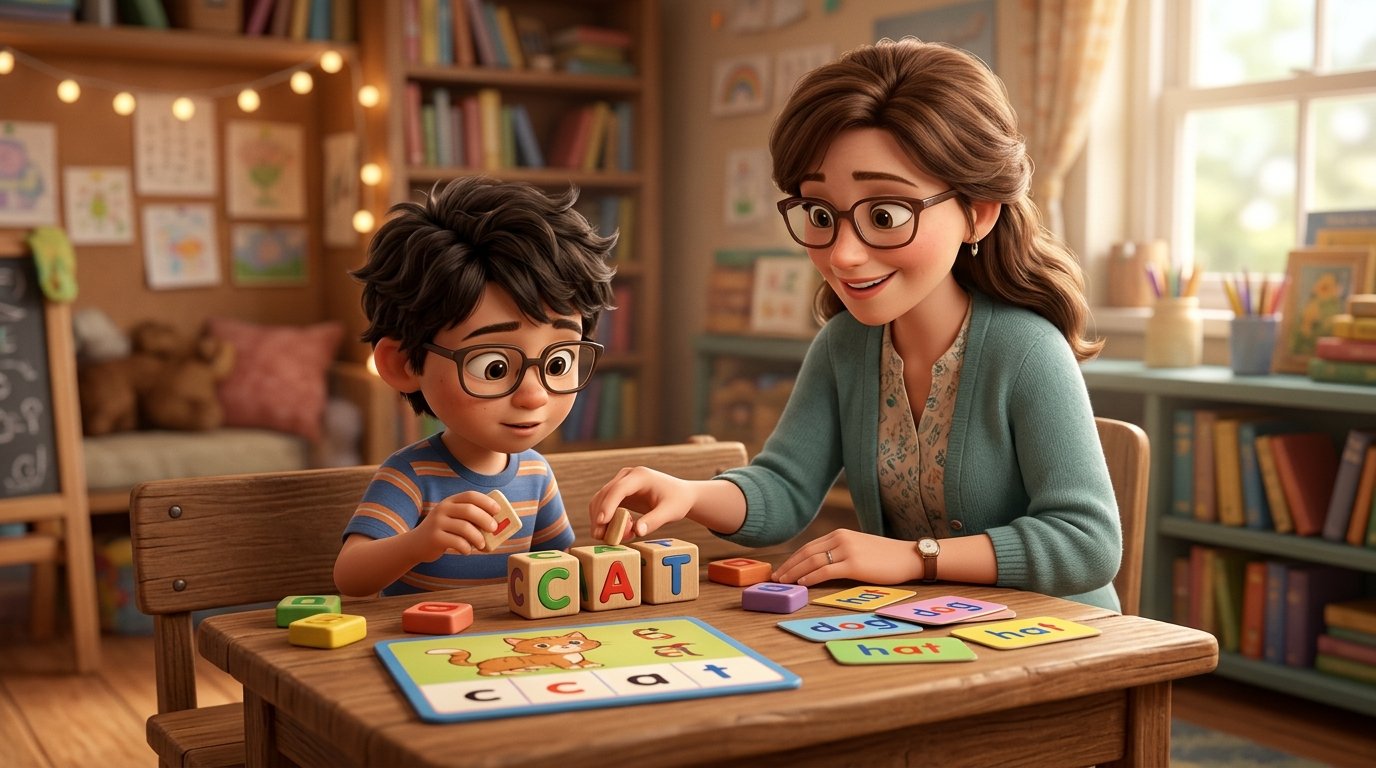
For decades, elementary spelling instruction followed a predictable, often demotivating routine: copy the weekly list five times on Monday, write sentences on Wednesday, and take a rote test on Friday. For neurodiverse students, dyslexic learners, and reluctant spellers, this rote drill cycle frequently induces anxiety rather than linguistic competence. When learning spelling feels like a memory test devoid of context, retention plummets.
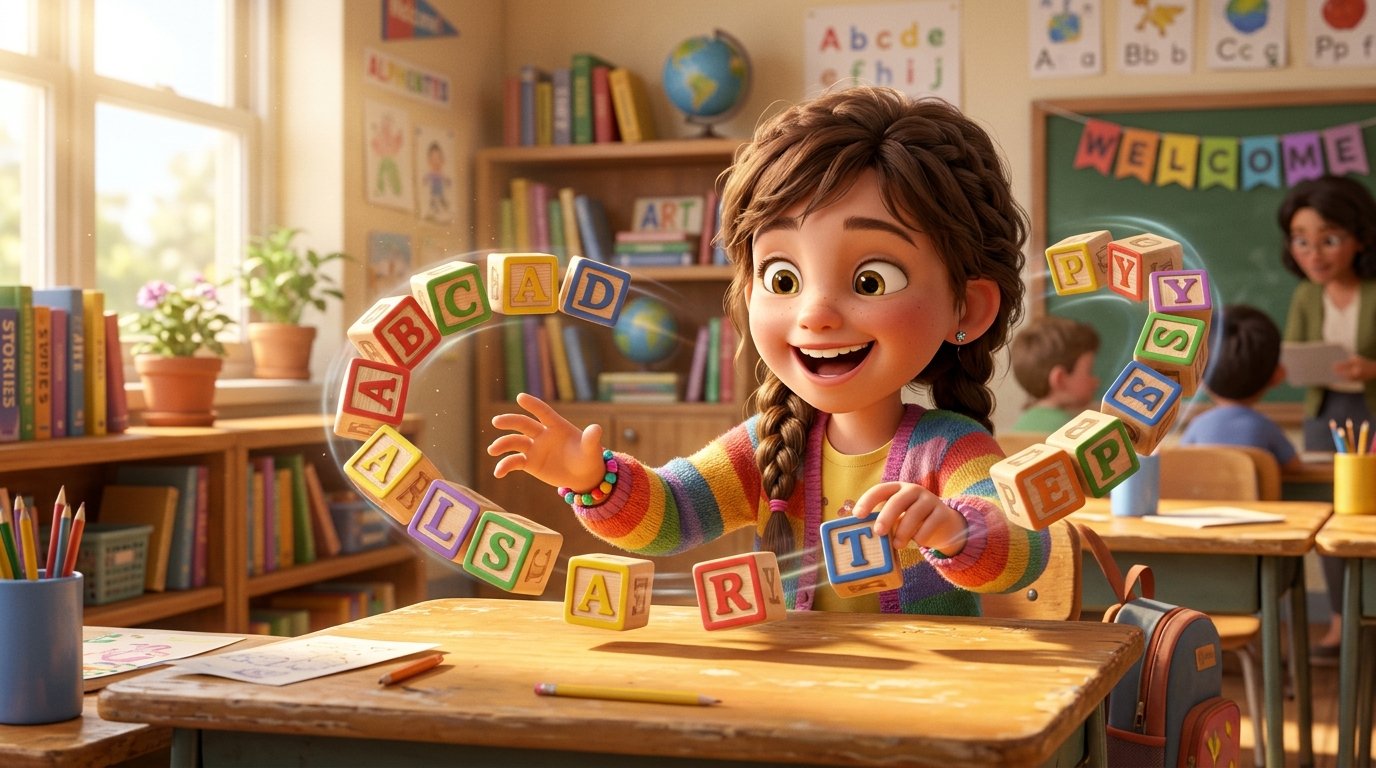
Enter the Double Puzzle (Mystery Punchline Word Scramble)—an ingenious puzzle format that fundamentally changes how the brain engages with letters. By combining anagram unscrambling with a numbered secret riddle answer, double puzzles tap into human curiosity, transform spelling into a rewarding detective game, and dramatically reinforce orthographic memory.
1. How Double Puzzles Work: The Two-Tier Architecture
In a standard word scramble, students unscramble a list of vocabulary words into their correct letter order. In a Double Puzzle, however, select letter boxes are numbered or highlighted with special badges (e.g., box #1, #2, #3). As students solve each individual word, they transfer the letters from the numbered boxes into a matching numbered riddle punchline at the bottom of the worksheet.
For example, unscrambling P-P-A-E-L reveals APPLE, where the letter L sits in box #4. The student then copies L into blank #4 of the mystery riddle: "What building has the most stories? ... The [L] I B R A R Y!"
2. The Dopamine Cycle of Delayed Curiosity
Cognitive neuroscience shows that curiosity activates the brain's reward centers, releasing dopamine that enhances memory consolidation. In a double puzzle, the incomplete riddle punchline acts as an irresistible cognitive itch. Students don't just want to finish the spelling words—they desperately want to uncover the funny riddle punchline. Every correctly unscrambled word provides missing letter pieces that bring the final answer into clearer focus.
3. Supporting Struggling Spellers with Scaffolding
Anagrams can sometimes overwhelm students with weak working memory. Our Word Scramble Generator provides essential scaffolding options:
- Word Bank Toggle: Enable a randomized word bank at the top of the worksheet so students match letter patterns rather than generating solutions from scratch.
- Capitalized First Letters: Leaving the initial letter in uppercase gives visual tracking anchors to emerging readers.
- Thematic Clusters: Group words around high-interest topics (space exploration, marine biology, animal habitats) to activate prior semantic knowledge.
"A child who groans at copying a spelling list will happily spend twenty minutes rearranging anagram tiles if it means unlocking the punchline to a silly joke."
Classroom Implementation: Weekly Riddle Fridays
Replace Friday spelling anxiety with Riddle Challenge Morning Work. Use our Word Scramble Maker to input your weekly spelling list alongside a kid-friendly joke. Students work individually or in pairs to crack the punchline, cementing spelling patterns while ending the academic week on a joyful, high-energy note.