Unlocking the Science of Early Reading with Word Families
Key Takeaways & Fast Summary
- Chunking Over Isolated Letters: Teaching children to recognize word family rimes (-at, -op, -ing, -ight) allows developing readers to decode by chunks rather than laboriously sounding out letter by letter.
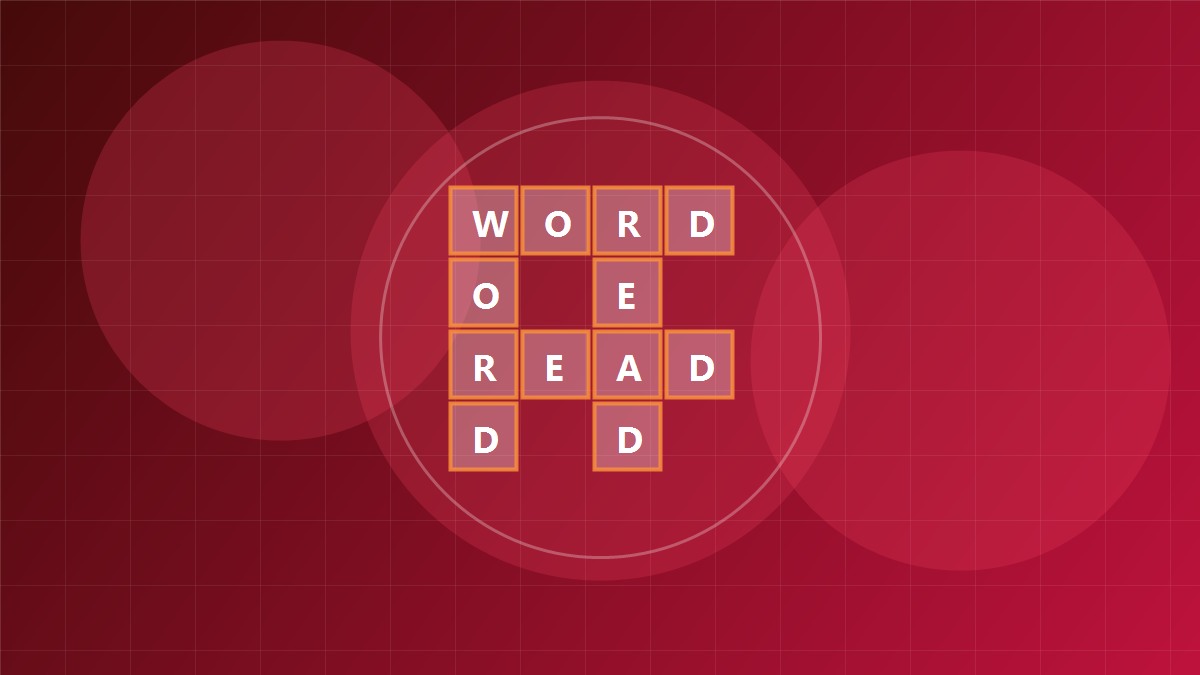
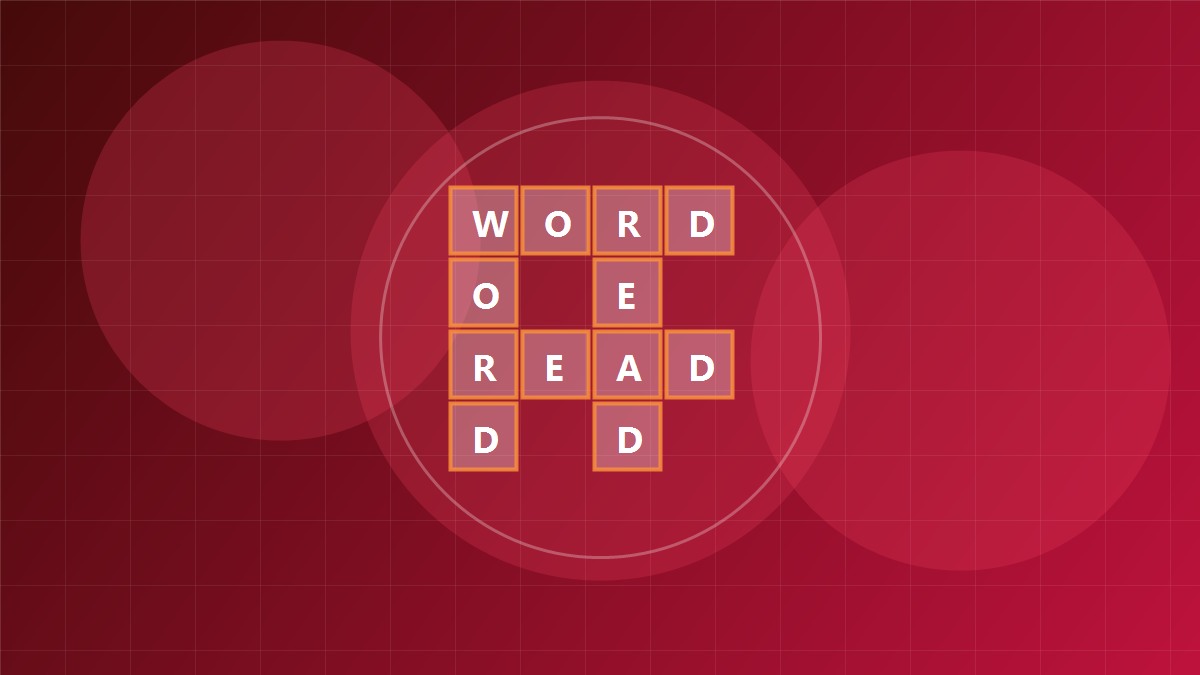
- Orthographic Mapping in Grids: Searching for rhyming words in a puzzle grid forces the visual cortex to store letter sequences as permanently bonded sight words.
- Auditory-Visual Integration: Combining spoken rhyme clues with visual letter hunting connects phonological awareness with printed graphemes.
1. The Science of Reading: Onsets and Rimes
In first grade literacy development, one of the most critical developmental leaps occurs when a child transitions from reading isolated letter sounds (/c/ - /a/ - /t/) to fluent phonogram recognition. In linguistic science, words are divided into an onset (the initial consonant sound, such as c- or b-) and a rime (the vowel and following consonants, such as -at, -in, or -ock).
When a child masters a single rime like -ake, their reading vocabulary does not expand by just one word—it instantly unlocks an entire family: bake, cake, lake, make, rake, take, shake, brake. Custom word searches organized around specific word families provide the ideal visual arena to reinforce these high-frequency orthographic chunks.
2. How Word Searches Facilitate Orthographic Mapping
According to Dr. David Kilpatrick's seminal research on reading acquisition, children do not memorize words as visual pictures (like logos); rather, they become fluent readers through orthographic mapping—the process of anchoring spoken phonemes to printed letter sequences in long-term memory.
A well-constructed phonics word search accelerates this process in three distinct phases:
- Phonemic Priming: The teacher calls out a target rhyme: "Find a word that rhymes with STOP and starts with the /h/ sound!" The child must mentally construct the word HOP.
- Grapheme Scanning: The child searches the grid specifically for the -OP letter cluster, training their visual scanning to spot multi-letter patterns as cohesive units.
- Kinesthetic Reinforcement: Tracing the highlighter across the word cements the left-to-right directional flow necessary for fluent reading.
"Phonics word searches transform abstract spelling rules into active detective quests, anchoring letter patterns directly into long-term visual memory."
3. The 4 Essential Word Family Tiers for First Grade
To scaffold success without inducing visual fatigue, master first grade educators introduce word family puzzles in structured developmental tiers:
- Tier 1: Short A & Short I CVC Families: -at (cat, bat, hat, mat), -an (pan, fan, ran), -it (sit, hit, bit), -in (pin, win, tin). High contrast 6x6 grids with horizontal-only words.
- Tier 2: Short O, U, & E Families: -op (hop, top, mop), -ug (bug, rug, hug), -ed (bed, red, fed). 8x8 grids introducing vertical top-to-bottom orientation.
- Tier 3: Consonant Digraphs & Blends: -ick (kick, stick, brick), -ash (flash, crash, splash), -ell (bell, shell, yell). 10x10 grids with mixed directions.
- Tier 4: Silent-E & Long Vowel Families: -ake (lake, snake), -ight (light, night, bright), -oat (boat, goat, float). Prepares students for 2nd-grade reading fluency.
4. Gamified Classroom Literacy Center Routines
Keep your phonics centers buzzing with high engagement by introducing these game variations:
- The Rhyme Spy Challenge: Provide a word search where the word bank contains only pictures, not printed words! Students must identify the picture (e.g. a drawing of a frog), write the rhyming word family label (F-R-O-G), and then locate it in the grid.
- Rainbow Highlighter Coding: Have students highlight each word family in a designated color (e.g., all -at words in yellow, all -an words in blue, all -ap words in green) to create stunning visual categorizations.
Generate phonics-aligned classroom word searches in seconds with PuzzleNest's Free Word Search Generator—printable with customizable letter grids and font sizes!
Frequently Asked Questions
Should word searches for first graders include diagonal or backwards words?
No. Early readers (K-1) are still cementing their left-to-right, top-to-bottom tracking directionality. Backwards and diagonal words can trigger directional confusion and visual reversal errors. Restrict grids to horizontal and vertical orientations.
How large should the letter grid be for 6- and 7-year-olds?
Keep grids between 6x6 and 10x10 with large, clean sans-serif typography (e.g., Century Gothic or Comic Sans at 24pt+) to prevent visual crowding and eye strain.
Can phonics word searches help struggling readers who guess words?
Yes! Guessers habitually look at the first letter and make a wild assumption. Word searches force the student to examine every single letter from onset to rime to successfully find the match, breaking the habit of careless guessing.