The Enduring Appeal of Seek-and-Find Word Discovery
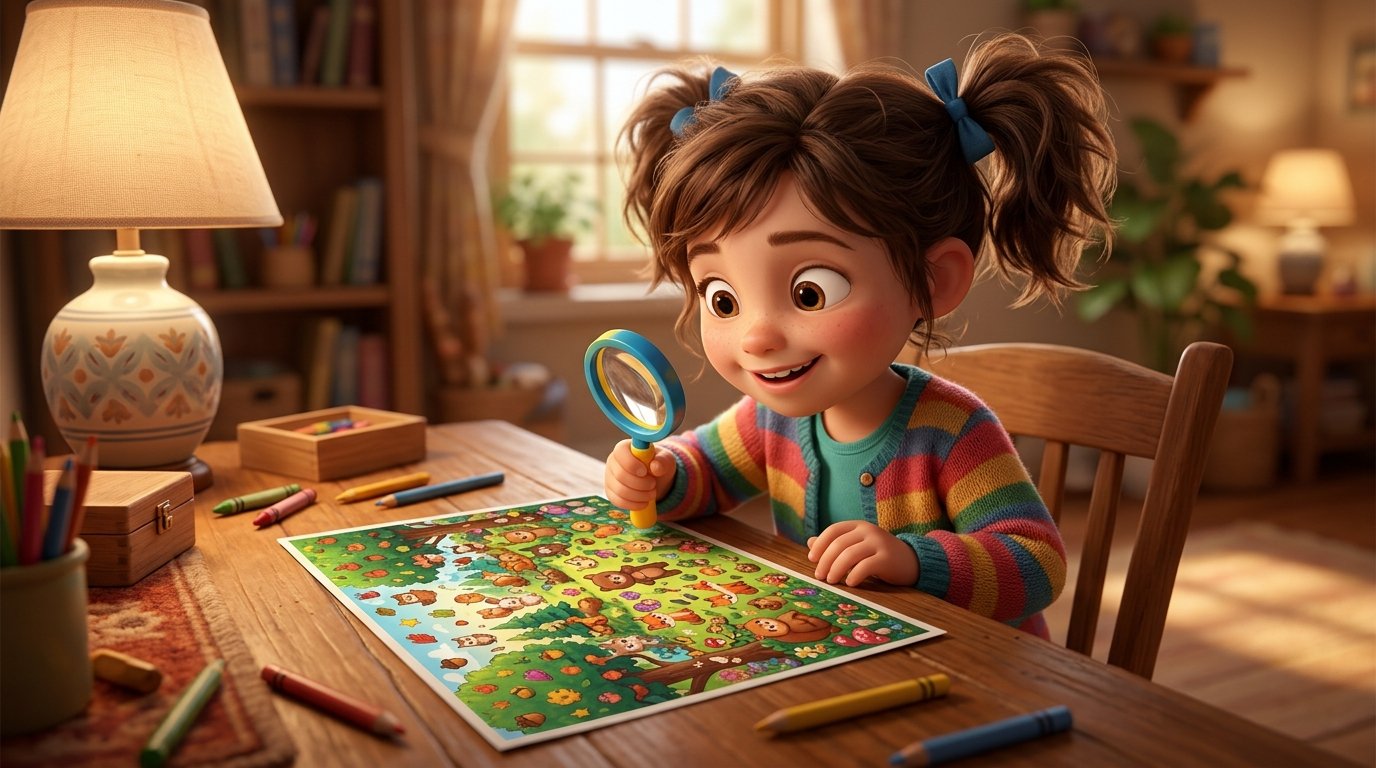
For generations of children, few classroom moments match the quiet, thrilling focus of scanning a fresh grid of letters with a colorful highlighter in hand. The search for hidden words taps into one of our species' most primal cognitive instincts: visual pattern recognition and figure-ground discrimination. From classic Where's Waldo illustrations to newspaper word find grids, children are naturally drawn to the thrill of uncovering order hidden inside apparent chaos.
However, many commercially available word search activity books are generic, uninspiring, or poorly calibrated for developmental reading stages. By utilizing a free online word search generator, teachers and homeschooling parents can design bespoke seek-and-find puzzles tailored directly to current science units, phonics word families, and weekly spelling lists. In this blueprint, we explore grid geometry, letter direction pacing, and high-engagement classroom seek-and-find activities.
1. Grid Geometry and Letter Direction Pacing
The difficulty of a seek-and-find puzzle is determined not just by word length, but by the mathematical parameters of the letter matrix:
- Preschool & Grade 1 (8x8 to 10x10 Grid): 6 to 8 words. Restrict word placement strictly to Horizontal (Left-to-Right) and Vertical (Top-to-Bottom) directions. Solvers at this stage are still consolidating basic reading orientation; backwards and diagonal words cause unnecessary decoding frustration.
- Grades 2 to 4 (12x12 to 15x15 Grid): 10 to 14 words. Introduce Diagonal (Top-Left to Bottom-Right) paths. This exercises saccadic eye movement and trains children to track letter sequences across non-standard reading angles.
- Middle School & Beyond (18x18 to 22x22 Grid): 16 to 25 words. Unleash all 8 directions—including backwards horizontal, backwards vertical, and reverse diagonals. Include interlocking words that share crossing letters to test advanced orthographic scrutiny.
2. The Science of Decoy Letters and Distractor Clues
In standard low-quality puzzle makers, empty grid cells are filled with completely random letters. High-performance generators, however, utilize intelligent distractor algorithms that elevate educational value:
"When generating a word search featuring spelling words containing the diphthong 'EA' (like beach, teach, peach), populating empty cells with isolated 'E' and 'A' clusters challenges children to verify complete orthographic units rather than scanning for solitary vowels."
This deliberate distractor density forces young decoders to inspect the second and third letters of words, strengthening the brain's visual word-form recognition pathways.
3. 4 Engaging Seek-and-Find Classroom Variations
Transform routine word searches into high-energy pedagogical games:
- The Mystery Riddle Search: Instead of providing a word bank, provide numbered clues or riddles (e.g., "Clue 1: A nocturnal mammal that flies using wings of skin"). Students must deduce that the target word is BAT before finding it in the letter grid!
- The Thematic Story Hunt: After completing a science or history word search (e.g., Solar System Exploration), challenge students to write a creative five-sentence narrative that incorporates at least four discovered words.
- Color-Coded Parts of Speech: Have students highlight nouns in yellow, verbs in blue, and adjectives in green as they discover them across the grid, integrating grammar practice with visual scanning.
- Speed Round Peer Challenges: Generate dual puzzles with identical word lists but randomized letter placements. Pair students up for friendly classroom races that cultivate focus and visual stamina!
4. Designing for Diverse Learners: Dyslexia and Vision Support
To ensure all students can participate with joy and dignity:
- High-Contrast Typography: Always use clean, sans-serif fonts with distinct letterforms (such as Arial, Trebuchet, or OpenDyslexic). Avoid condensed or decorative script fonts that blur together.
- Generous Cell Padding: Maintain clear white space between letter cells to prevent crowding, which can trigger visual fatigue in neurodivergent learners.
- Highlighter Tapes & Reading Rulers: Provide colored reading tracker strips or translucent highlighter tape for students who need physical tactile scaffolding while scanning rows.
Create Custom Word Searches in Seconds
Empower your students to become eagle-eyed vocabulary detectives with custom seek-and-find worksheets tailored to your exact curriculum.
Customize word lists, grid sizes, and letter directions today with PuzzleNest's Free Word Search Generator & Maker—complete with instant printable PDF answer keys!