The Magic of Educational Breakout Games
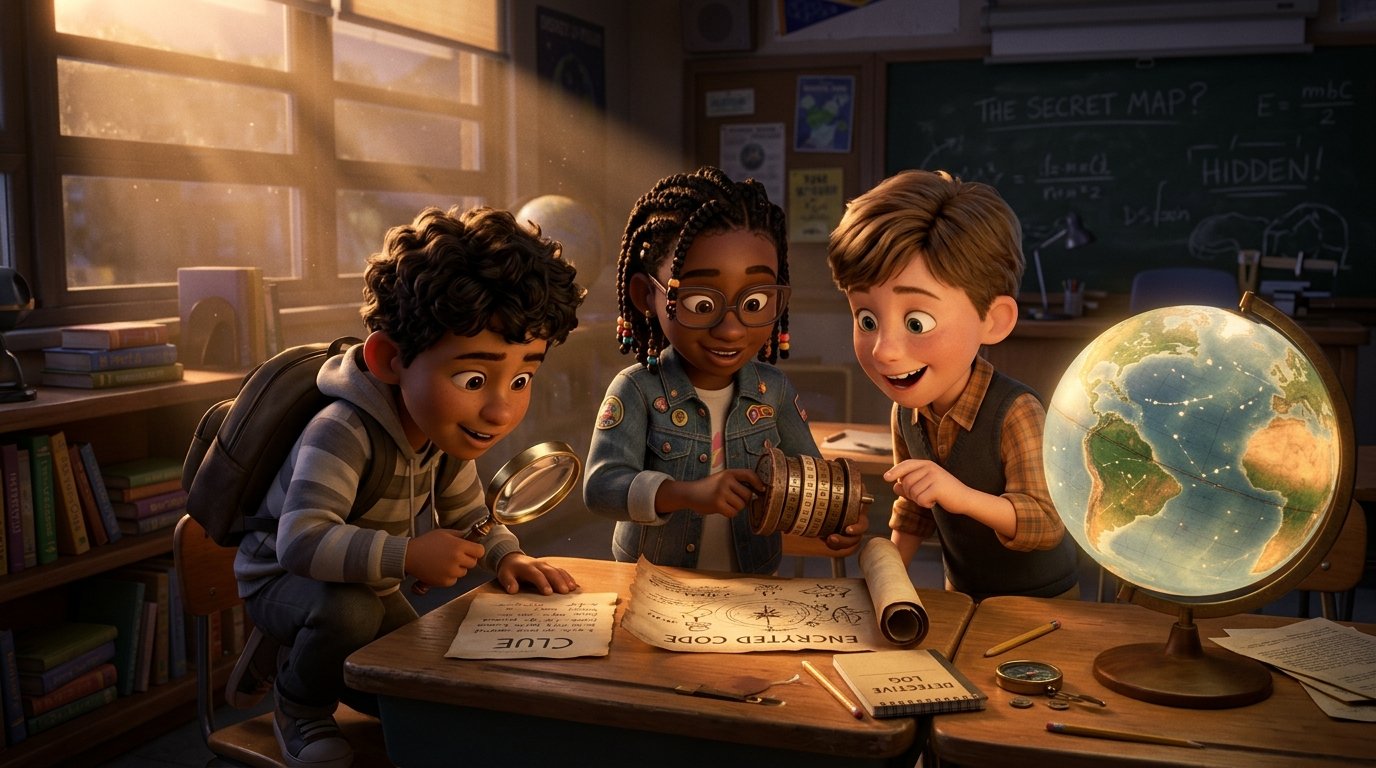
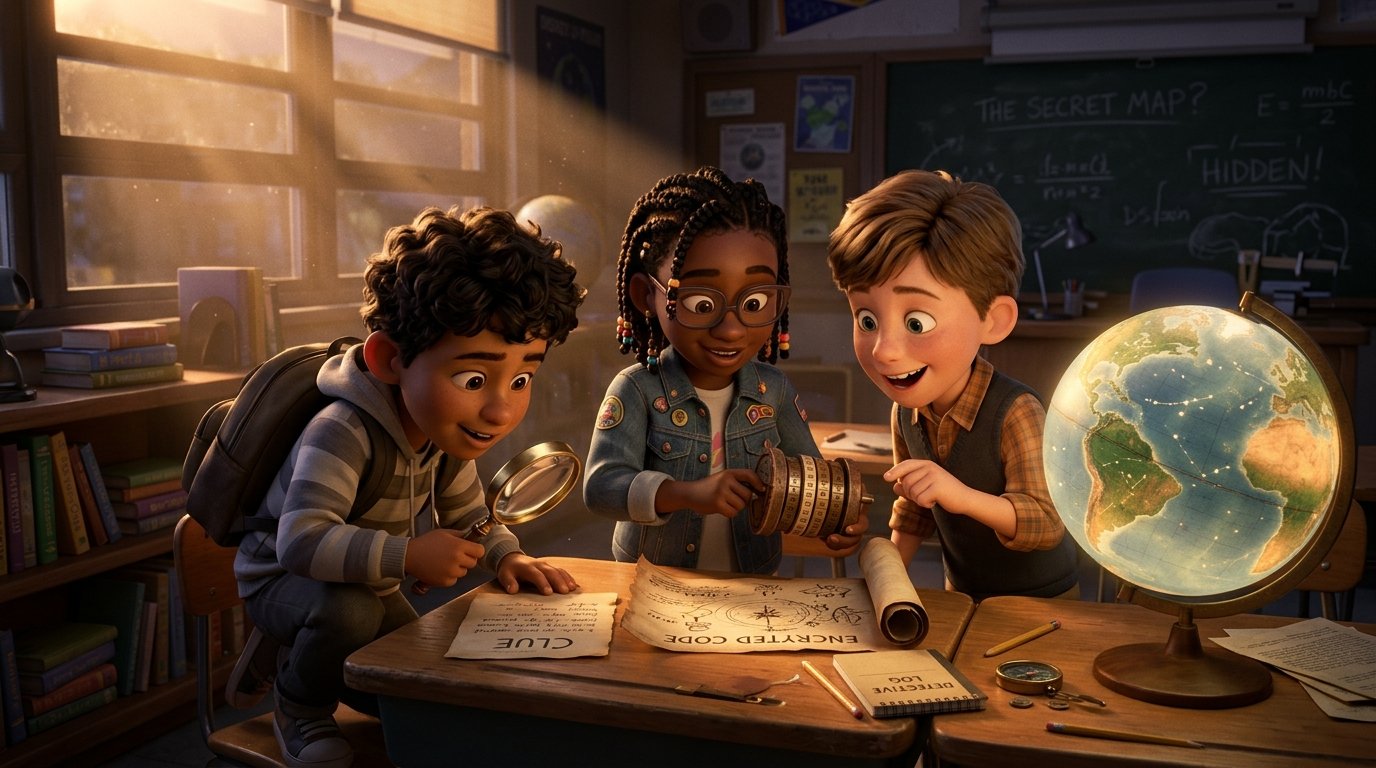
Classroom escape rooms have revolutionized modern pedagogy by shifting students from passive listeners into active investigators. Rather than completing static review worksheets, students find themselves immersed in a narrative mission: saving a historical artifact, unlocking a scientist's secret lab notebook, or cracking a safe before the bell rings. At the core of every successful educational escape room lies a series of well-crafted, curriculum-aligned ciphers and cryptograms.
When students work against the clock to decipher encrypted clues, engagement reaches unprecedented heights. In this practical guide, we outline how any educator can build a high-impact, low-cost breakout challenge using simple printable materials, three-digit locks or digital Google Forms, and our free secret code generators.
1. Structuring the Three-Tier Mission Flow
A frustrating escape room occurs when all clues are dumped simultaneously on students. A well-designed educational breakout uses a progressive three-tier cascade:
- Station 1 (The Narrative Hook): A sealed manila envelope containing an encrypted historical quote or mission briefing created with our Cryptogram Generator. Decrypting the quote reveals the location of Station 2 (e.g., "LOOK BENEATH THE GLOBE ON THE BOOKSHELF").
- Station 2 (The Curriculum Integration Task): A multi-step math or science challenge where solving equations yields three specific numbers.
- Station 3 (The Lockbox Code): A Caesar shift cipher that converts the final numerical coordinates into the physical 3-digit combination of a lockbox containing team victory badges.
2. Choosing the Right Cipher for Your Grade Level
Calibrating cipher complexity prevents cognitive overload while maintaining an authentic challenge:
- Grades 1–2 (Early Sleuths): Use Number Substitution (A=1, B=2) with short, high-frequency sight word phrases. Provide clear visual letter-to-number reference cards.
- Grades 3–5 (Junior Cryptographers): Use Caesar Shift (ROT-3) or Random Substitution with 20% revealed hints. Focus on vocabulary reinforcement from current science or social studies units.
- Grades 6–8 (Master Codebreakers): Use Zero-Hint Random Substitution or reverse ciphers that demand authentic frequency analysis and vowel elimination strategies.
3. The Two-Hint Protocol: Keeping Frustration at Bay
To keep the collaborative energy high, implement a strict "Two-Hint Protocol." Each student syndicate receives two physical hint tickets (such as red wooden craft sticks). When the team hits a roadblock, they can surrender a ticket to the teacher in exchange for a targeted clue (e.g., "The cipher symbol '#' represents the vowel E"). This prevents premature despair while teaching kids to exhaust their own collective deductions before asking for outside help.
"Escape rooms transform routine review sessions into shared adrenaline and memorable triumphs. Every unlocked cipher proves that collaborative logic conquers any obstacle."
4. Instant Printable Escape Rooms with PuzzleNest
You don't need expensive commercial breakout kits. Using PuzzleNest's suite of free tools—including our Cryptogram Maker and Word Scramble Tool—you can customize, generate, and print classroom-ready PDF clues tailored to your weekly curriculum in less than five minutes.