The Neuroscience of Two-Handed Coordination
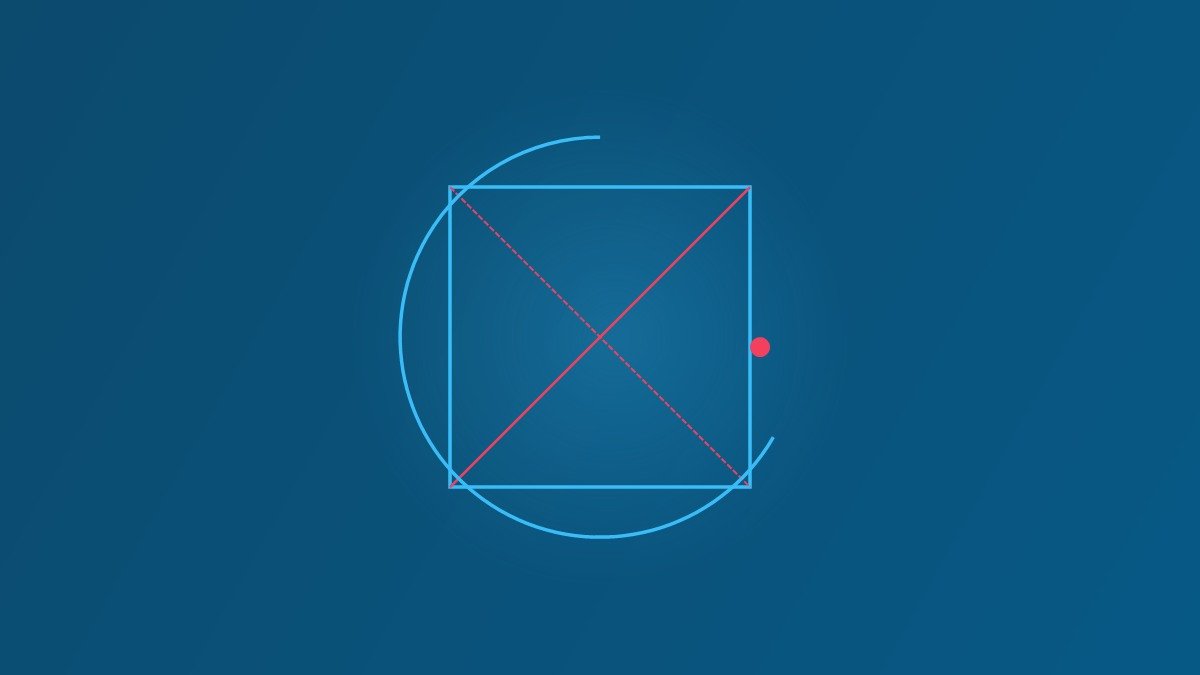
Have you ever tried drawing a circle with your left hand while simultaneously drawing a square with your right hand? If so, you likely felt an amusing, almost disorienting mental friction. Your brain's two cerebral hemispheres, accustomed to operating under unilateral dominance or alternating sequences, were forced to communicate across the corpus callosum at lightning speed.
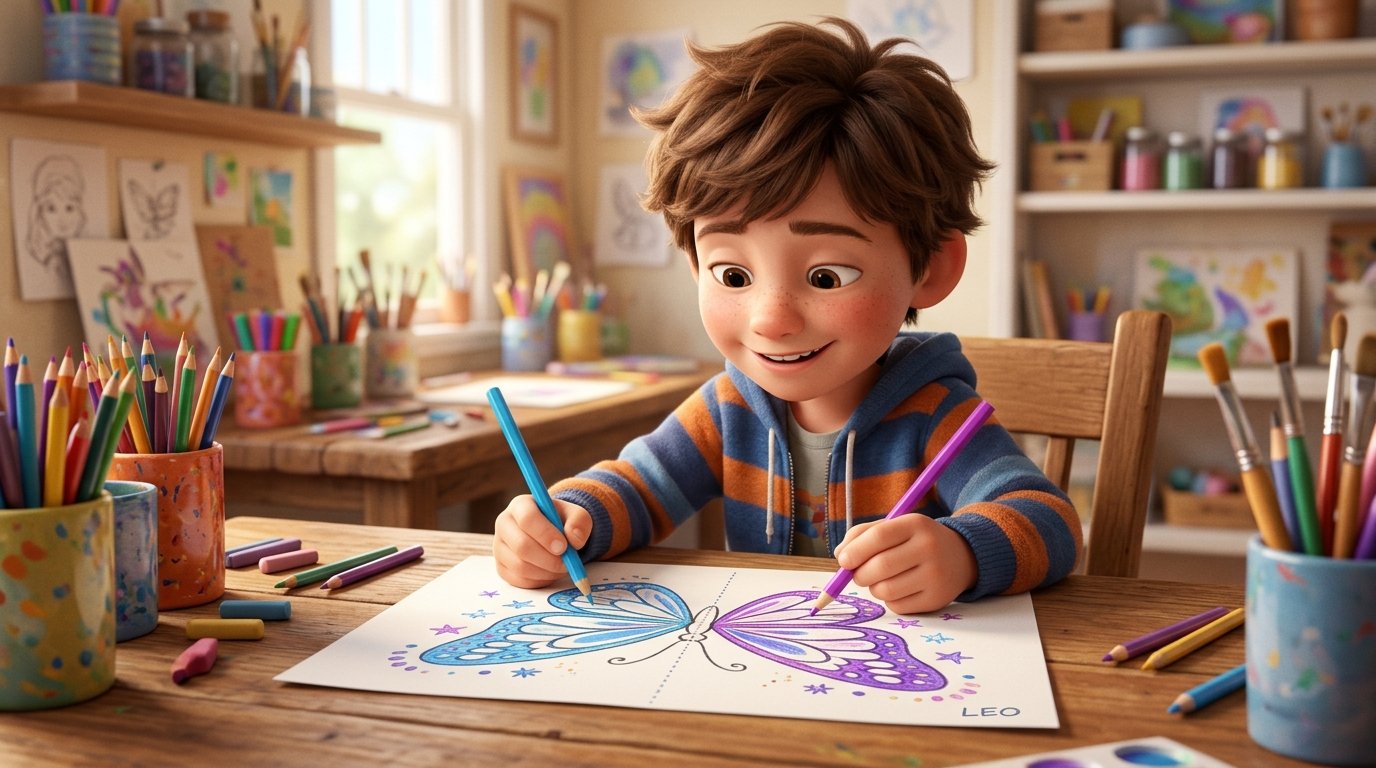
In pediatric occupational therapy and neurodevelopmental education, bilateral pencil tracing—where a child holds a pencil in each hand and simultaneously traces symmetrical mirror-image pathways away from a central midline—is one of the most potent therapeutic exercises available. By synchronizing motor output across both sides of the body, children activate both brain hemispheres, dissolve motor inhibition, and build foundational neural pathways for fluid handwriting and reading.
1. Strengthening the Corpus Callosum Bridge
The human brain is anatomically divided into the left hemisphere (dominant for sequential logic, phonetic decoding, and fine temporal motor control) and the right hemisphere (dominant for holistic spatial awareness, creative intuition, and global pattern recognition). These two hemispheres communicate via a dense bundle of more than 200 million axonal nerve fibers called the corpus callosum.
When a child traces a bilateral mirror puzzle:
- Both motor cortices fire simultaneously in symmetrical harmony.
- The child's visual system must split attention evenly across both sides of the midline, eliminating visual neglect.
- Interhemispheric transfer times decrease, directly accelerating how quickly a child decodes reading lines and transitions between visual scanning and motor writing.
2. The Crucial Developmental Milestone: Crossing the Midline
Many children who struggle with messy handwriting, letter reversals (like confusing 'b' and 'd'), or clumsy pencil grips suffer from incomplete midline crossing. When writing across a page from left to right, instead of smoothly moving their dominant hand across the center of their body, they physically twist their torso or shift the paper to avoid crossing their midline.
Bilateral mirror mazes provide the antidote:
- Both hands begin directly on the central vertical axis.
- In unison, both pencils trace outward along identical curvilinear loops (such as butterfly wings, owl eyes, or balloon strings).
- Both pencils converge back toward the center midline, training the brain to feel safe and coordinated at the spatial center of the visual field.
3. Four Scaffolded Tracing Exercises for Therapy & Classroom
- Symmetrical Butterfly Wings: Novice students trace smooth, curving concentric arcs moving outward and downward. Perfect for preschool and kindergarten warm-ups.
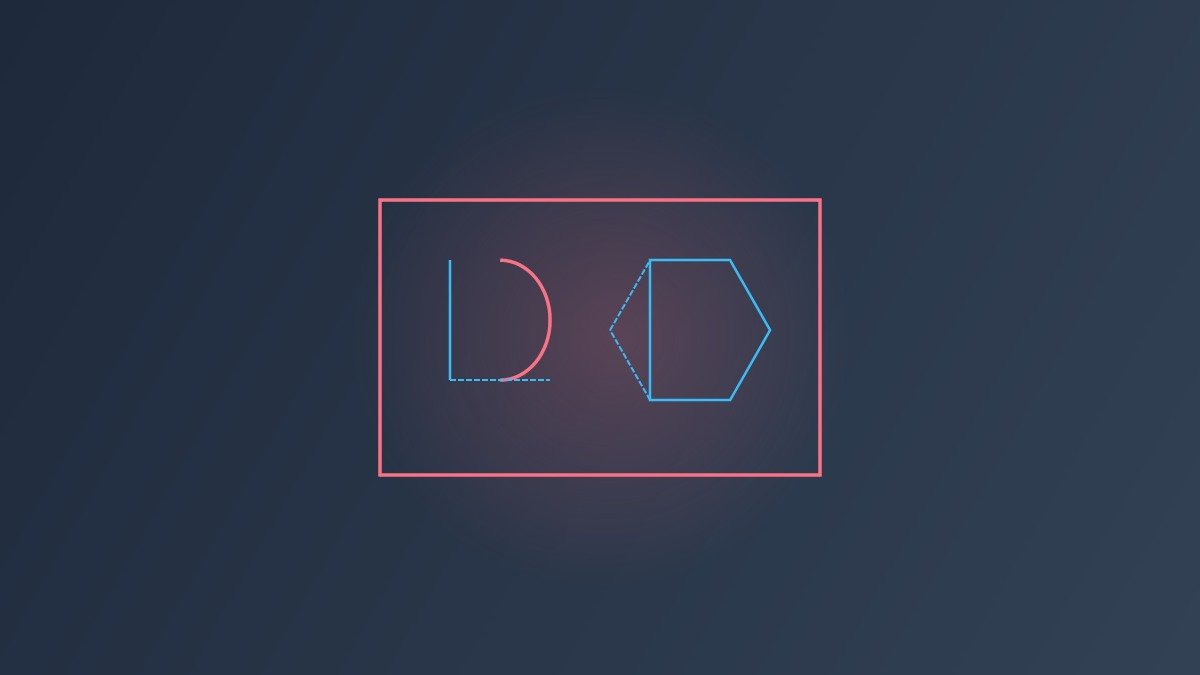
- The Inverted Castle Battlements: Intermediate students trace angular, 90-degree stair-step patterns. This demands deliberate motor stopping and sharp directional changes, refining pencil brake control.
- Dual-Color Crayon Blends: Have children use contrasting vibrant colors (e.g., bright cyan in the left hand and magenta in the right hand). The visual symmetry provides immediate sensory biofeedback if one hand lags behind.
- Laminated Dry-Erase Tracing Boards: Set up bilateral tracing mats in your classroom calm corner or sensory station with erasable whiteboard markers for low-stress daily motor warm-ups.
Harmonizing Mind and Body Through Play
Bilateral drawing transforms repetitive fine-motor drills into an empowering sensory ritual. Children delight in the magical feeling of dual control, while their nervous systems quietly establish the neurobiological foundations for academic success.
Generate high-resolution printable Bilateral Tracing Mats & Symmetrical Motor Mazes with PuzzleNest's free activity builder today!