The Fourth-Grade Reading Cliff: When Phonics Is No Longer Enough
Every elementary reading specialist is intimately familiar with the phenomenon known as the "Fourth-Grade Reading Cliff." In grades K through 3, children learn to read using simple phonetic decoding: sounding out short words letter by letter. But in fourth and fifth grade, the text complexity of science and social studies textbooks explodes. Suddenly, students encounter intimidating, multisyllabic academic monsters: "unpredictability," "decentralization," "biodegradable," and "photosynthetic."
Trying to sound out these eight-syllable giants phoneme-by-phoneme results in cognitive overload and reading paralysis. To cross the fourth-grade cliff, students must transition from phonological decoding to morphological decoding—recognizing meaningful word parts (prefixes, bases, and suffixes) at a single glance. By transforming morphology into hands-on interlocking affix puzzle games, educators give students the architectural tools to dismantle any complex word with effortless confidence.
1. The Structural Anatomy of English Morphology
More than 60% of multisyllabic words in academic English are derived from Latin and Greek roots. When a child masters just 20 high-frequency prefixes and 20 common suffixes, they unlock the semantic meaning of more than 100,000 English words!
Teach the three puzzle components using distinct physical colors:
- The Green Prefix Block (The Steering Wheel): Snaps onto the front of the word to steer direction or modify meaning (e.g., RE- = again; UN- / DIS- = not; PRE- = before; SUB- = under).
- The Blue Base / Root Block (The Engine): The core anchor of semantic meaning (e.g., STRUCT = build; TRACT = pull; PORT = carry; VIS = see).
- The Amber Suffix Block (The Transformer): Snaps onto the end of the word to transform its part of speech from a verb to an adjective or noun (e.g., -ION = state of; -ABLE = capable of; -OLOGY = study of).
2. Three Engaging Classroom Morphology Puzzles
Incorporate these tactile puzzle activities into your weekly literacy rotations:
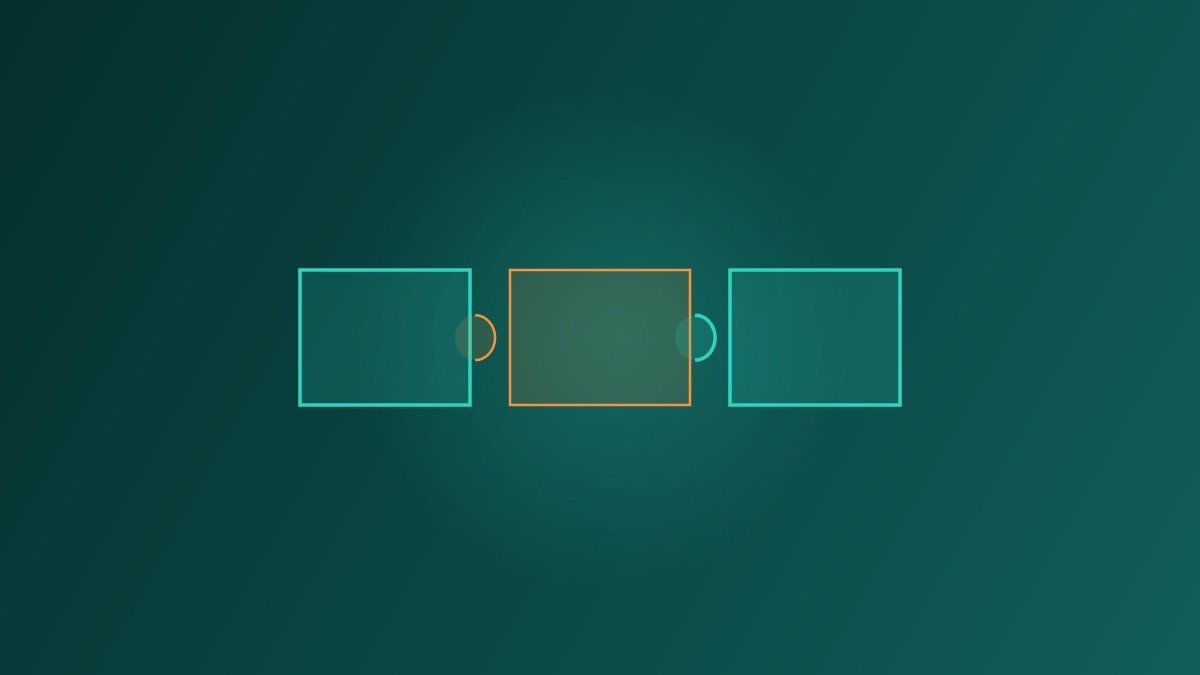
- Interlocking Jigsaw Affix Tiles: Cardstock puzzle pieces cut with unique male/female tabs so that only grammatically valid combinations can lock together. A student takes the root STRUCT and snaps on CON- and -ION to build CONSTRUCTION, or replaces the front piece with DE- to create DESTRUCTION!
- The Morphological Word Matrix: Display a central root box (like TRACT) flanked by an array of prefix and suffix options. Students race in pairs to build as many legitimate English words as possible in three minutes, recording whether each word is a noun, verb, or adjective.
- Nonsense Word Sci-Fi Inventions: Challenge students to combine Greek/Latin roots to name futuristic inventions: "A device that teleports books across space = TELELIBRIPORT!" This demonstrates pure morphological mastery through creative writing.
3. Mastering Tricky Spelling Changes with Puzzle Hinges
One of the biggest hurdles in suffix attachment is orthographic spelling alterations: dropping the silent 'e', doubling the final consonant, or changing 'y' to 'i'. Use visual puzzle flaps to teach these rules:
- The Drop-the-E Hinge: A small paper flap covering the silent 'e' on base words like CREATE that flips down when snapping on the vowel suffix -ION to produce CREATION.
- The Double Consonant Sentry: A 1-1-1 rule card (one syllable, one vowel, one final consonant) that adds a duplicate guard consonant before adding -ING (HOP $\rightarrow$ HOPPING).
Building Lifelong Academic Fluency
When students realize that long academic words are not random jumbles of letters, but elegant modular structures built from familiar puzzle pieces, reading anxiety vanishes. They approach complex high school and college texts with the discerning eye of an expert linguistic architect.
Generate printable Interlocking Affix Puzzles, Morphology Matrices, and Greek/Latin Root Mats on PuzzleNest today!