The Timeless Bridge of Logic and Laughter
1. The Science of Dual-Directional Neuroplasticity
Modern neuroscience has proven that neuroplasticity—the brain's capacity to forge new neural connections and reorganize synaptic pathways—remains active across the entire human lifespan. However, the cognitive needs of the developing brain and the aging brain are often viewed in isolation.
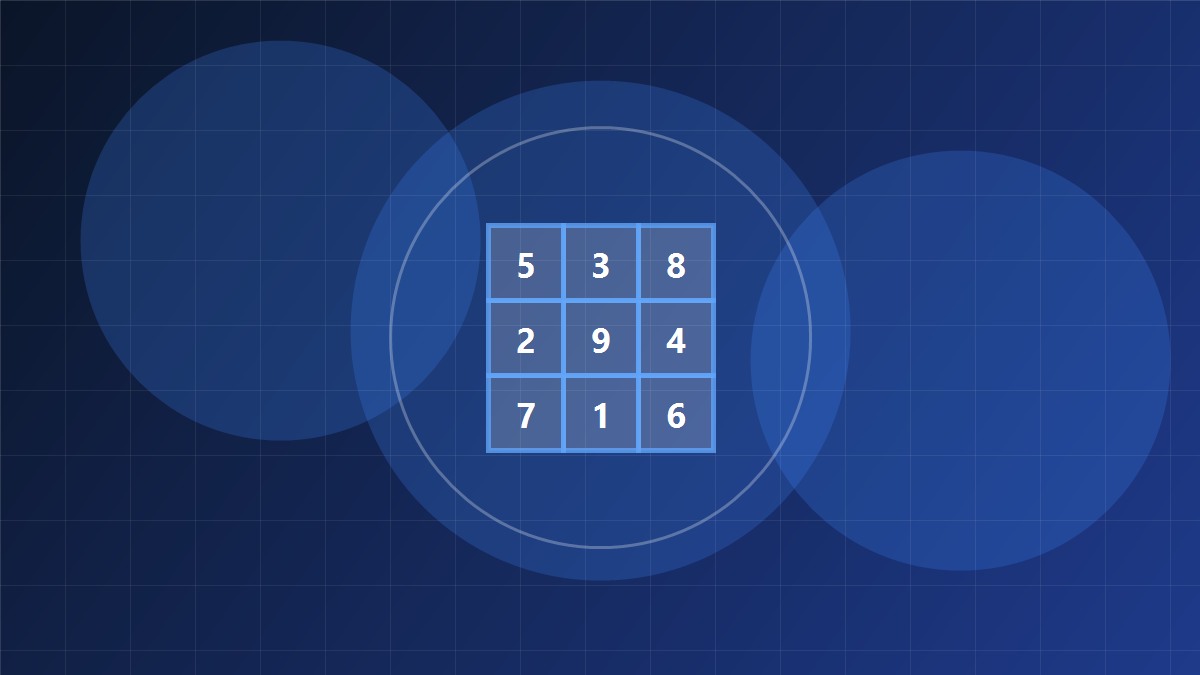
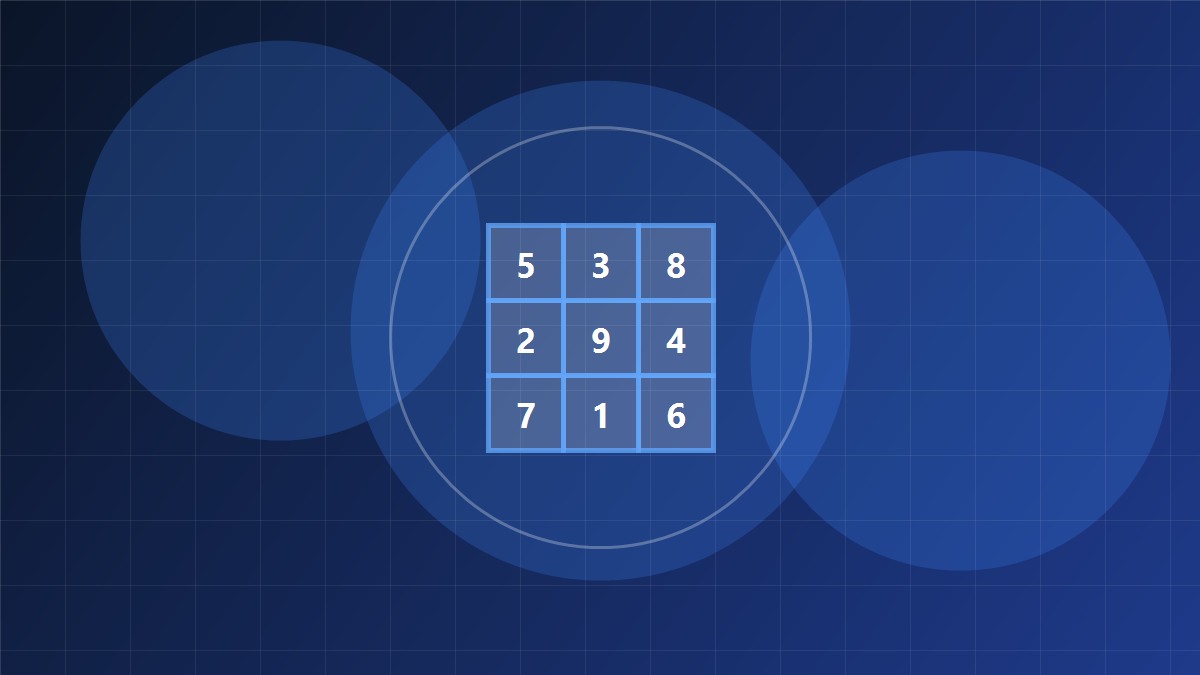
When a senior and a child tackle a 9x9 Sudoku puzzle together, a remarkable phenomenon occurs: dual-directional cognitive stimulation. For the child, deducing missing digits exercises working memory, visual scanning, and inductive logic. For the grandparent, the exact same puzzle activates the prefrontal cortex, stimulating cognitive reserve and reinforcing executive processing speed. Pioneering research from the University of Exeter's PROTECT study revealed that adults over 50 who regularly solve number and word puzzles perform equivalent to individuals ten years younger on tests of memory, attention, and reasoning.
2. Sudoku as an Equalizer: No Age Advantage
Many classic childhood activities create an inherent physical or technological mismatch: grandparents may struggle to chase energetic kids on a soccer field, while kids quickly lose interest in static television viewing. Video games often favor youthful thumb reflex speed, leaving elders feeling alienated.
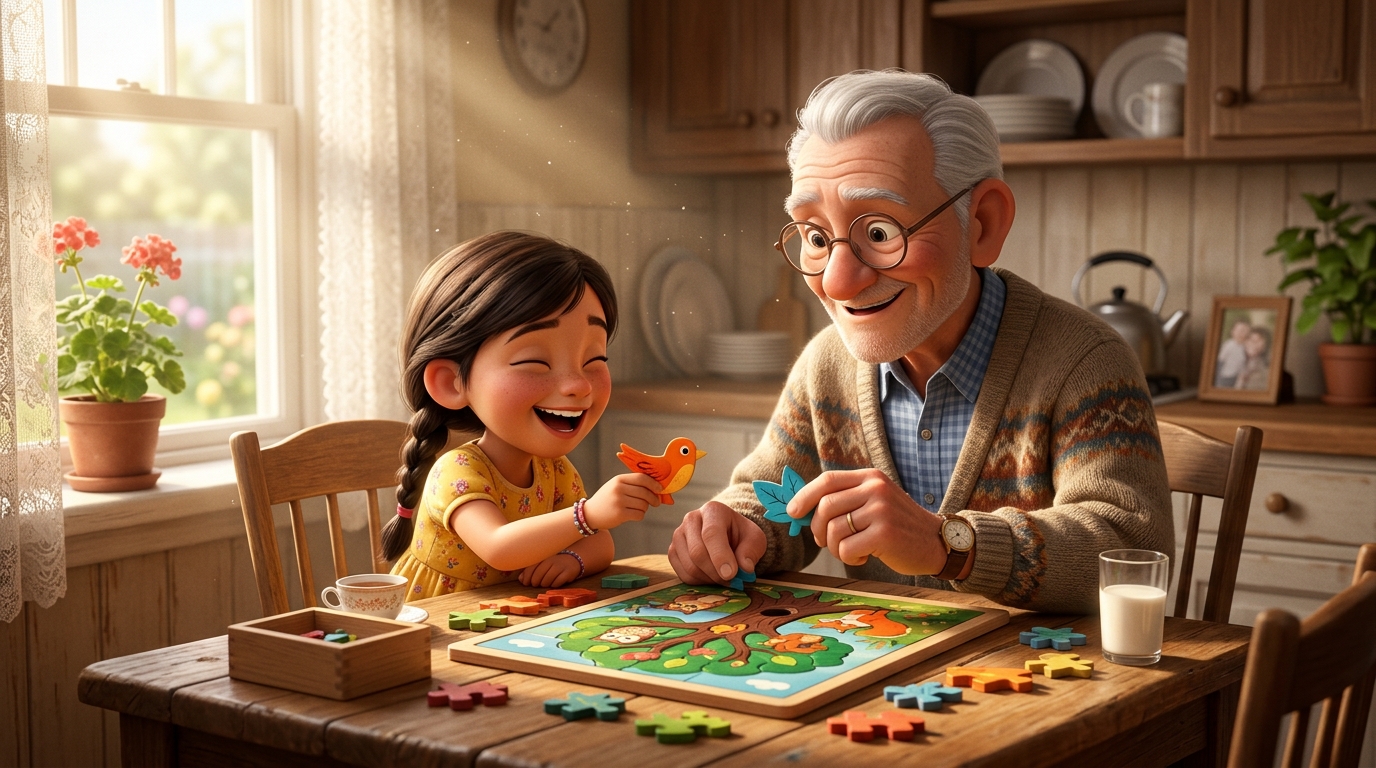
A paper Sudoku or crossword grid is the ultimate generational equalizer. Success requires no physical speed, no complex digital menus, and no athletic agility. A child's rapid pattern recognition blends harmoniously with a senior's patient, methodical elimination strategy. Both players contribute meaningful breakthroughs: "Look, Grandma, there's only one spot for the 7 in this box!" / "Splendid observation, Leo! And because of your 7, that frees up the 4 right down here!"
"In a world where generations are increasingly segregated by screens, a printed puzzle on a kitchen table remains an enduring sanctuary of mutual respect."
3. The Low-Pressure Conversational Container
Direct, eye-to-eye questioning ("How was school today? What did you learn?") often triggers monosyllabic answers ("Fine. Nothing.") from reserved children. Psychologists note that children talk most openly when engaged in side-by-side parallel play.
Sitting shoulder-to-shoulder with a grandparent over a puzzle grid provides a comfortable buffer. Eyes are focused on the grid, hands are gently busy with pencils, and pauses in speech feel natural and peaceful. Inside this low-pressure container, meaningful conversations organically unfold: stories of what school was like fifty years ago, childhood memories of holidays past, and gentle discussions about friendships and dreams.
4. Establishing a Weekly Grandparent-Grandchild Puzzle Ritual
Create a cherished family tradition with these simple ideas:
- The Sunday Morning Tea & Sudoku Club: A weekly ritual of warm herbal tea, cinnamon toast, and a fresh printable Sudoku grid from PuzzleNest.
- Long-Distance Postal Puzzle Swaps: Grandparents and grandkids living in different cities mail a half-completed crossword or maze back and forth with handwritten notes in the margins!
- Large-Print Ergonomic Worksheets: Use PuzzleNest's generator to produce large-print 16pt font puzzles that are gentle on senior eyes and easy for early writers.
Print custom large-format puzzles for your family with PuzzleNest's Free Sudoku & Crossword Maker!