Transforming Student Creativity into Interactive Tactile Keepsakes
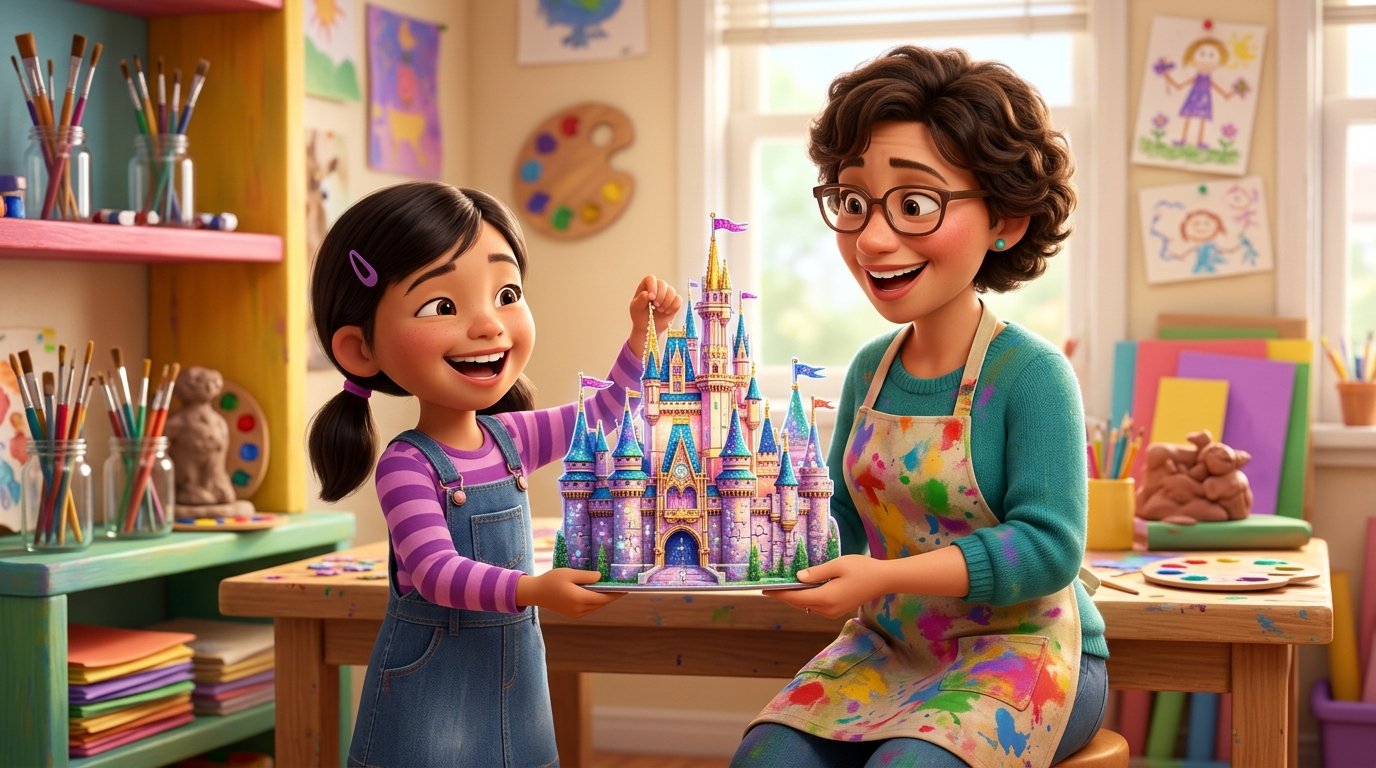
Every elementary and middle school classroom is an explosion of creative artistic expression. From vibrant watercolor landscapes and bold tempera self-portraits to collaborative science poster collages, children pour immense enthusiasm into their visual artwork. Yet too often, after spending a week pinned to a hallway bulletin board, these beautiful creations are either rolled up in backpacks or filed away in paper portfolios where they are rarely viewed again.
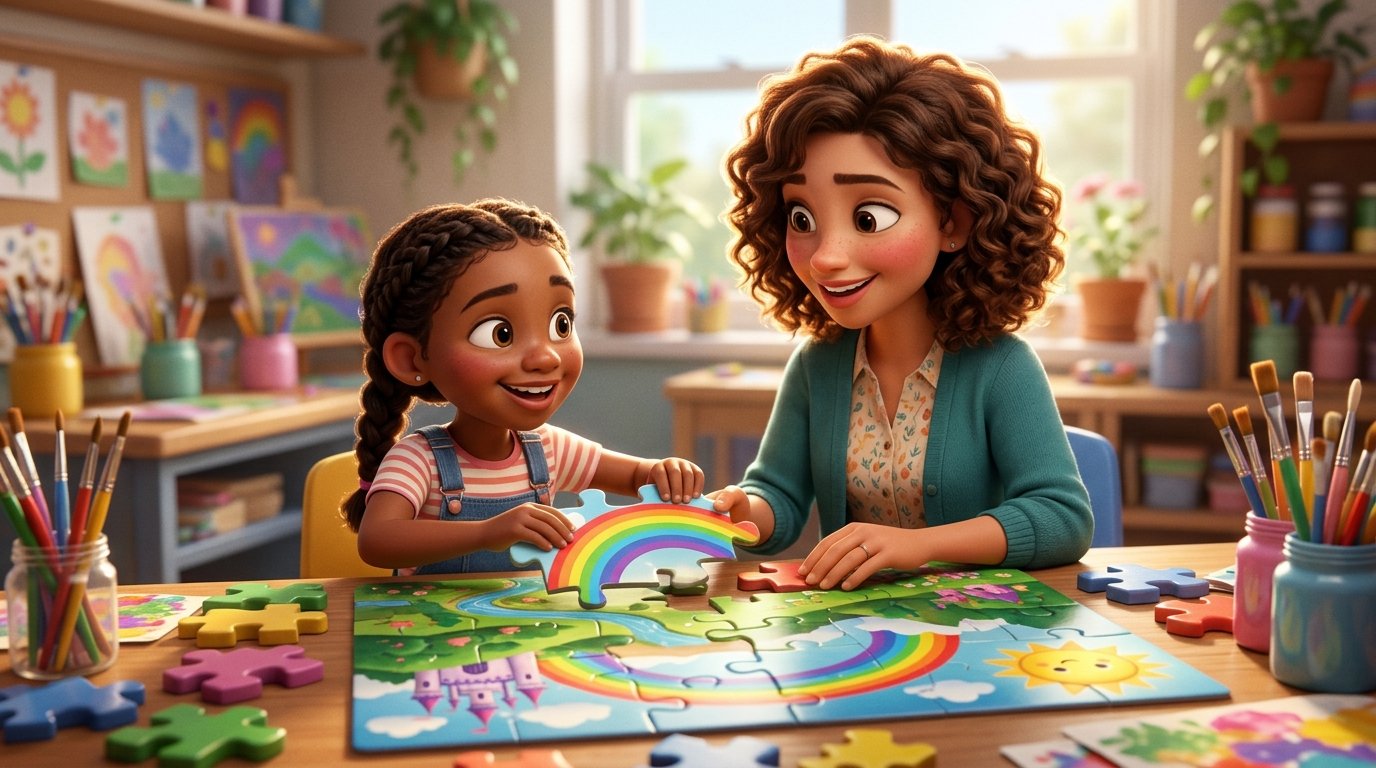
By utilizing an online puzzle generator from image tool, educators and parents can breathe thrilling new life into children's artistic output. Transforming a child's original drawing or painting into a customized, interlocking jigsaw puzzle elevates passive artwork into an interactive cognitive challenge. In this definitive guide, we walk through the step-by-step process of digitizing student artwork, choosing the right piece counts, mounting puzzles onto durable cardstock, and designing meaningful classroom keepsake projects.
1. Digitizing Student Art: Lighting, Resolution, and Color Fidelity
The foundation of a brilliant printable puzzle is high-quality digital capture. You don't need an expensive commercial studio camera—a modern smartphone produces spectacular results when following these three capture rules:
- Even, Diffused Natural Light: Place the artwork flat on a table near a large window, or mount it vertically against a shaded outdoor wall. Avoid direct blinding sunlight (which washes out pale watercolors) and harsh indoor fluorescent ceiling lights (which cast distracting body shadows).
- Perpendicular Camera Angle: Hold your camera directly above the center of the paper, keeping the phone parallel to the surface to prevent trapezoidal perspective distortion.
- Cropping to Frame: Crop away table edges, stray pencils, and tape marks, ensuring the artwork fills the entire 4:3 or 16:9 canvas frame before uploading to the puzzle maker.
2. Age-Appropriate Piece Counts and Die-Cut Dimensions
When you make picture puzzles online, selecting the right piece count ensures an optimal balance between joyful challenge and developmental success:
- Preschool & Kindergarten (Ages 3–5): 4 to 9 jumbo pieces. Large interlocking tabs with distinct graphic regions allow developing hands to manipulate pieces without tearing.
- Early Elementary (Ages 6–8): 16 to 36 pieces. Excellent for classroom desk stations, pairing children in collaborative puzzle-solving duos.
- Upper Elementary & Middle School (Ages 9–13): 48 to 100 pieces. Encourages systematic border-sorting strategies and fine visual detail analysis.
3. The 4-Step DIY Cardstock Mounting & Lamination Workflow
To turn thin copy-paper prints into durable, heirloom-quality physical jigsaws that can be solved dozens of times without fraying:
- Step 1 - Print on Glossy or Matte Cardstock: Print your generated puzzle template on 65 lb or 80 lb cardstock using standard color ink settings.
- Step 2 - Mount to Chipboard backing: Adhere the printed sheet onto 30-point chipboard, upcycled cereal box cardboard, or heavy kraft cardstock using a permanent spray adhesive or an acid-free glue stick. Roll firmly with a rolling pin or brayer to squeeze out trapped air pockets.
- Step 3 - Thermal Lamination: Run the mounted sheet through a 5-mil thermal laminator. Lamination provides waterproof protection against juice spills, sticky fingers, and classroom wear-and-tear.
- Step 4 - Precision Die Cutting: Use heavy-duty craft scissors, or place the sheet on a self-healing mat and trace the printed cutting guidelines with an X-Acto rotary craft knife.
4. 5 Engaging Classroom & Family Art Projects
Deploy custom student art puzzles across diverse school and community milestones:
- The Mother's Day / Father's Day Heirloom: Students paint a portrait of their family or pet, convert it into a 24-piece puzzle, and package it inside a handmade card with the message: "You're an important piece of my life!"
- The Collaborative Classroom Mural: Divide a giant classroom painting into four quarters. Each table team solves their quarter puzzle, then joins all four puzzle boards together to form a grand 4-foot wall mural.
- Science Diagram Synthesis: Have students illustrate a lifecycle diagram (such as the metamorphosis of a monarch butterfly), turn it into a puzzle, and challenge classmates to reconstruct the biological cycle.
- The End-of-Year Class Gift: Photograph the entire classroom on field day, generate a commemorative puzzle for each student, and have peers sign the cardboard backs with farewell wishes.
Start Turning Art into Puzzles Today
Custom photo puzzles validate children's artistic accomplishments, showing them that their creative expressions are valuable, interactive, and worth celebrating.
Upload your student paintings, classroom photos, and digital designs to create custom printable puzzles in seconds with PuzzleNest's Free Jigsaw Puzzle Creator!