The Intersection of Japanese Logic and Creative Discovery
Originating in Japan in the late 1980s through the creative minds of Non Ishida and Tetsuya Nishio, Nonograms (also widely known as Picross, Griddlers, or Paint by Numbers) have captivated millions of puzzle enthusiasts worldwide. Unlike standard crossword puzzles that test encyclopedic trivia, or word searches that require mechanical scanning, Nonograms demand pure, unadulterated deductive logic.
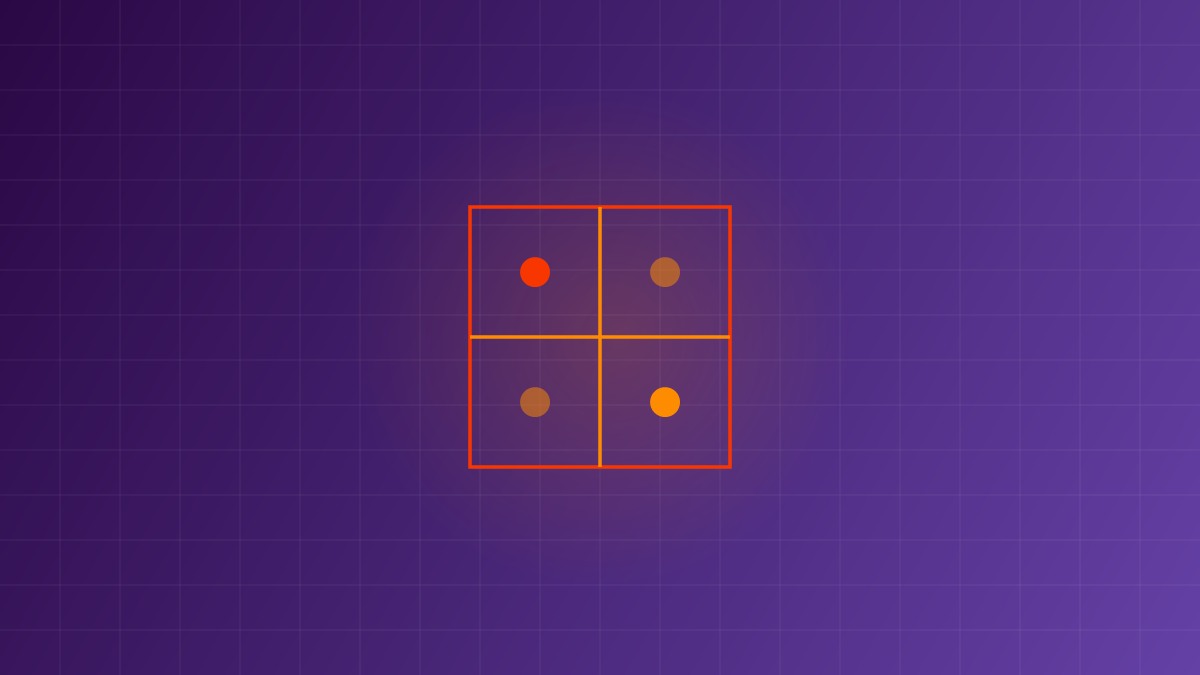
In a Nonogram, a blank grid is flanked by numerical clues along each row and column. These numbers indicate consecutive runs of filled cells. When solved with systematic logic and zero guessing, an adorable pixelated image—such as a kitten, a sailing ship, a castle, or an astronaut—gradually emerges from the blank grid. This instant visual reward makes Nonograms the single most motivating logic exercise for elementary and middle school students.
1. The Cognitive Power of Elimination vs. Guessing
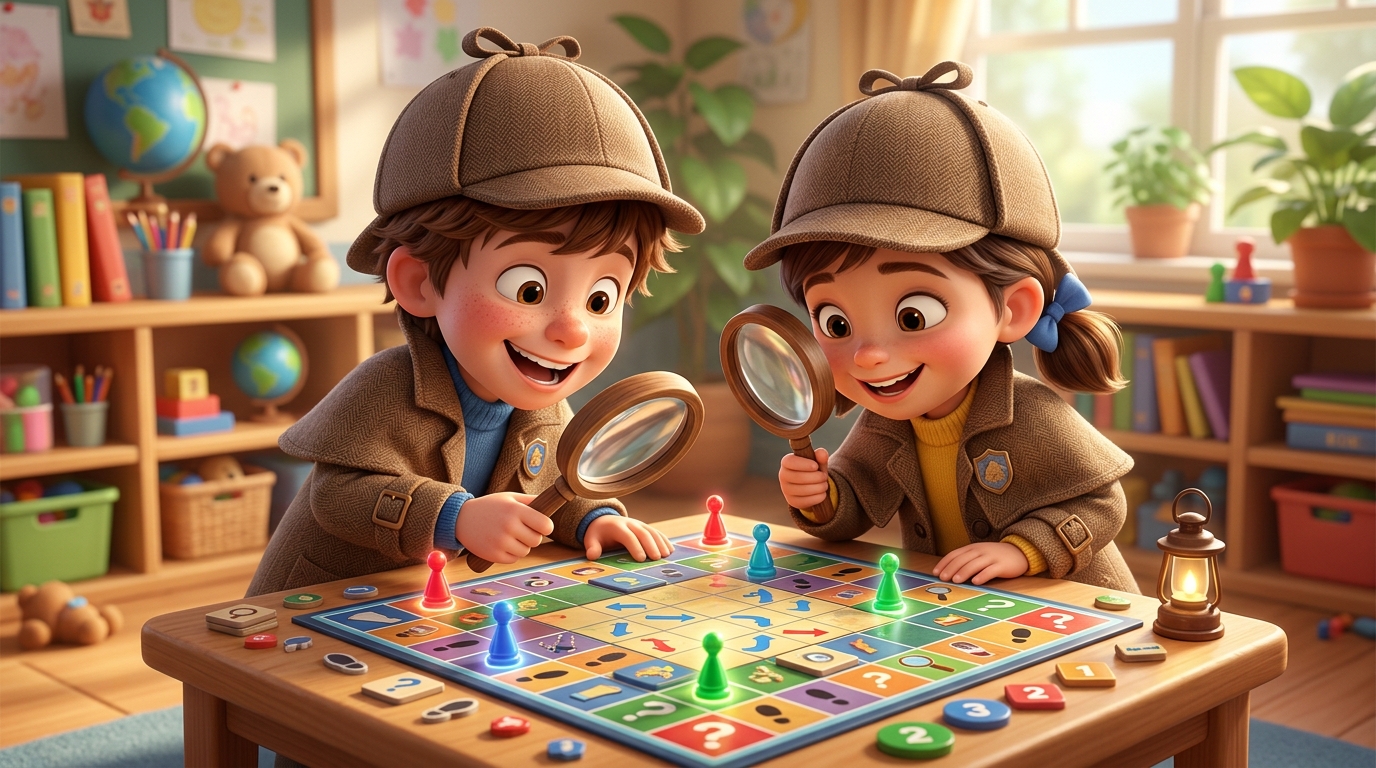
The single greatest lesson Nonograms teach children is the discipline of elimination. In impulsive problem-solvers, children often guess where pixels belong, leading to contradictions that ruin the entire grid. Nonograms rigorously train the brain to follow Sherlock Holmes' famous maxim: "When you have eliminated the impossible, whatever remains, however improbable, must be the truth."
Key deductive principles every student masters include:
- The Full Overlap Rule: On a 10-cell row, if the clue is 8, the left-aligned position occupies cells 1–8, while the right-aligned position occupies cells 3–10. The middle cells (3 through 8) MUST be filled in both scenarios! Children learn to shade the guaranteed overlap with certainty.
- The Strategic "X" (Marking Negatives): In Nonograms, placing an "X" in a cell that CANNOT be filled is just as vital as shading a filled cell. This teaches the executive skill of negative space reasoning.
- Boundary Edge Anchoring: If a shaded pixel touches the outer border, the clue corresponding to that run immediately anchors that edge, locking surrounding cells into place.
2. Scaffolding Nonograms from 5x5 Grids to Mastery
Standard 15x15 or 20x20 adult Nonograms can overwhelm young beginners. Effective classroom implementation requires gentle scaffolding:
- Level 1: 5x5 Mini Grids: Introduce 5x5 grids featuring single clues (like
[5], which fills the entire line, or[1, 1, 1], which alternates cells with single empty spaces). Children reveal simple shapes like a heart or a smiley face in under three minutes. - Level 2: 8x8 & 10x10 Iconic Objects: Introduce multiple runs separated by at least one mandatory empty space (e.g.,
[2, 3]in a 10-cell line). Children decode recognizable icons like an umbrella, a key, or an apple. - Level 3: Multi-Color Nonograms: Advanced students tackle grids with two distinct colors, where adjacent runs of different colors do not require a blank separator space—introducing sophisticated conditional logic.
3. Cross-Curricular Academic Benefits
Beyond the joy of creative play, regular Nonogram practice cultivates foundational academic competencies:
- Coordinate Cartesian Fluency: Navigating rows (horizontal) and columns (vertical) simultaneously reinforces spatial graphing coordinates.
- Working Memory Expansion: Holding multi-number sequences in mind while mentally testing boundary constraints strengthens prefrontal working memory capacity.
- Frustration Tolerance & Resilience: When a child spots a contradiction, they learn to trace their logic backward to find the error without crumbling in frustration.
Unlocking the Joy of Rigorous Deduction
Nonograms bridge the gap between creative artistic illustration and rigorous mathematical deduction like no other puzzle medium. When students experience the thrill of watching a hidden pixel masterpiece emerge through the sheer power of their own logical deduction, their perception of math permanently transforms.
Create and print custom beginner, intermediate, and advanced Nonogram grids with PuzzleNest's Free Logic Puzzle & Grid Art Generators today!