The Chronic Challenge of Pacing Pacing Discrepancies
Ask any seasoned elementary or middle school educator to identify the exact moments when classroom management breaks down, and the vast majority will point to the same recurring scenario: the dreaded Pacing Gap. During any independent work block or standardized testing session, there are always students who finish their assignments in ten minutes, while others require thirty.
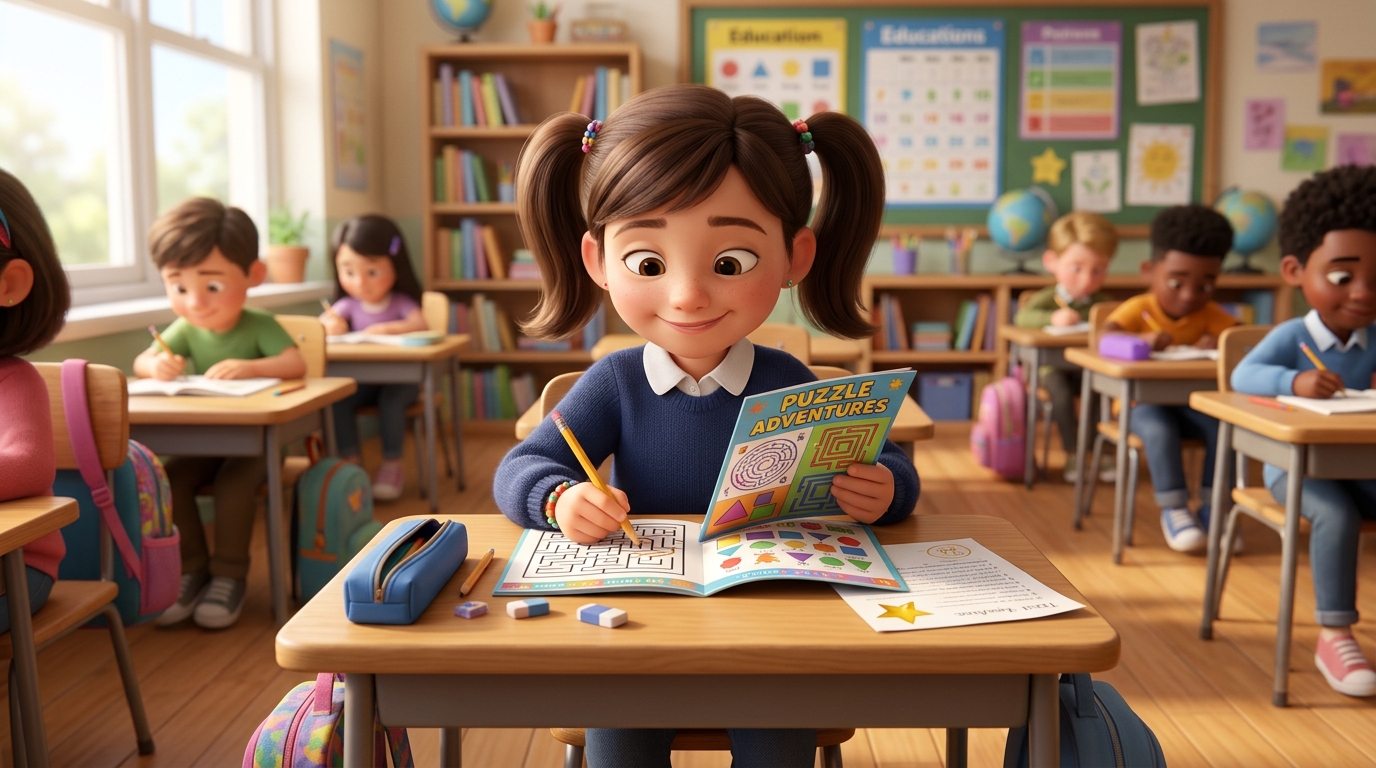
When high-speed learners finish early with no structured, meaningful next step, chaos inevitably brews. They whisper to neighbors, sharpen pencils repeatedly, tap desks, wander to the water fountain, and disrupt students who are still deep in concentration. Telling early finishers to "just sit quietly and read" often results in passive resistance. The solution that master teachers rely upon is a structured, autonomous, and intellectually stimulating "Early Finisher Puzzle Protocol."
1. Meaningful Enrichment vs. Mindless Busywork
Children possess an uncanny ability to detect "busywork." If early finishers are rewarded for their speed with more of the exact same drill worksheets (e.g., twenty more long-division problems), they quickly learn to slow down artificially or produce sloppy work. Conversely, if early finishers are allowed to play video games on classroom tablets, other students rush through their core work carelessly just to access screen time.
Educational puzzle packets hit the psychological sweet spot:
- High Intrinsic Motivation: Mazes, cryptograms, logic grids, and crosswords feel like genuine games, not punitive extra assignments. Students actively anticipate finishing their core tasks to unlock puzzle challenges.
- Screen-Free Calm: Paper puzzle binders maintain a quiet, focused room atmosphere without the bright screen glare or hyper-stimulating audio of computer games.
- Authentic Cognitive Value: Rather than repetitive drills, students stretch executive working memory, spatial reasoning, and lateral problem-solving.
"A classroom management system should never punish fast workers with boring drudgery or tempt them with chaotic digital screens. Early finisher puzzle binders turn spare minutes into quiet, joyful enrichment."
2. The Autonomous "Grab-and-Go" Binder System
To ensure that early finisher routines do not interrupt the teacher—who is often working with a small intervention group—the system must be 100% student-autonomous:
- The 4-Section Tiered Binder: Establish a designated classroom station stocked with four labeled magazine holders:
- Bin 1 (Spatial Navigation): Intricate circular and hexagonal mazes.
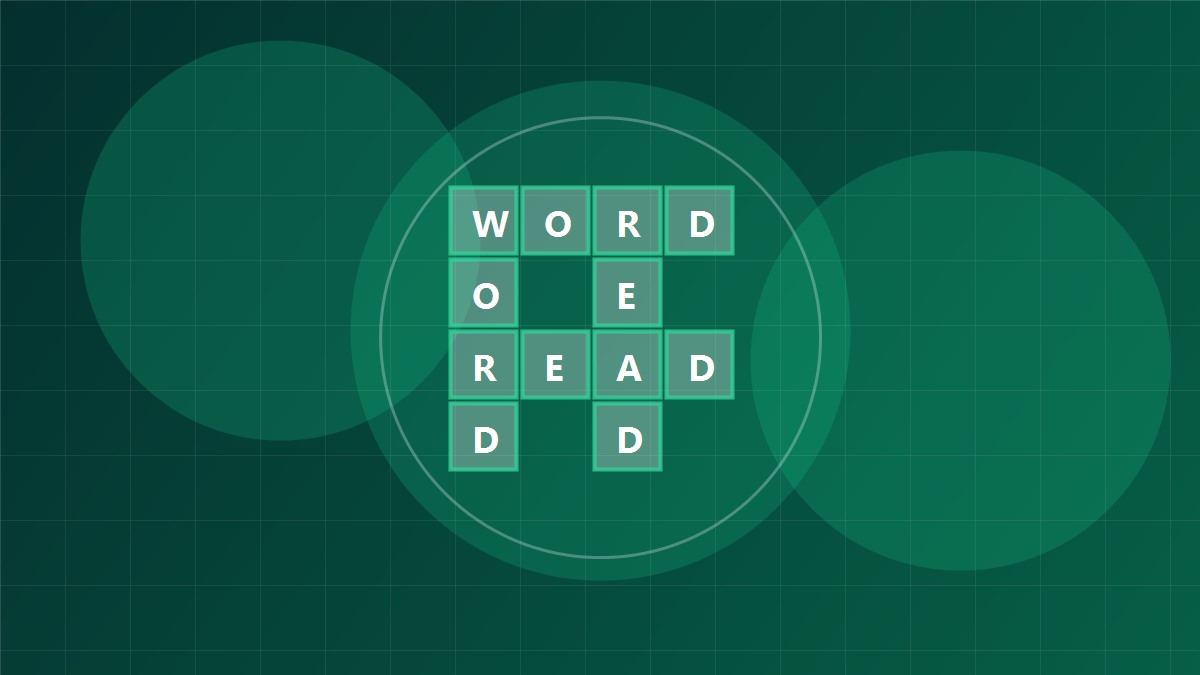
- Bin 2 (Linguistic Detective): Themed vocabulary searches and curriculum crosswords.
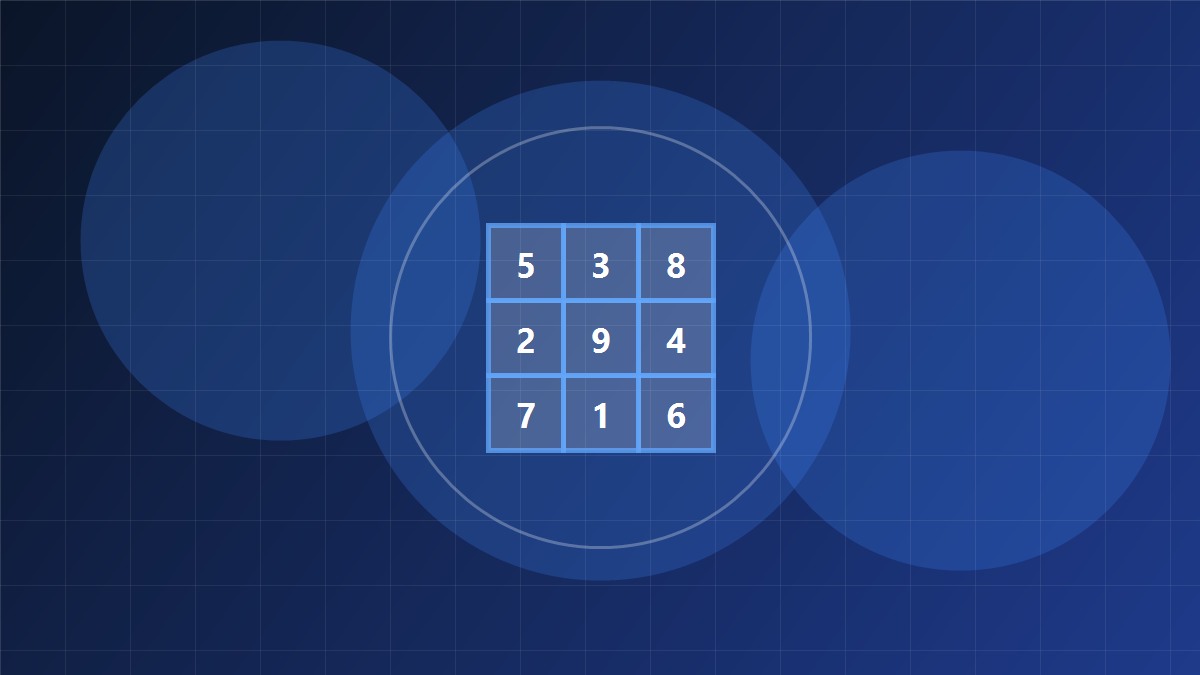
- Bin 3 (Logic & Deduction): 6x6 and 9x9 Sudoku grids.
- Bin 4 (Math Mysteries): Number pyramids, magic squares, and cryptograms.
- Laminated Reusable Sleeves: Slide puzzle worksheets into heavy-duty plastic sheet protectors. Students use fine-tip dry-erase markers, completing puzzles at their desks and wiping them clean before returning them. This saves thousands of paper copies every semester!
- The Self-Checking "Flip-and-Verify" Station: Keep answer keys in a sealed binder near the shelf. Students must complete their puzzle in full before taking the answer binder to check their work independently. This cultivates personal accountability and honesty.
3. Implementing the "Puzzle Champion" Passport
Turn early finisher activities into an exciting semester-long quest by issuing each student a Puzzle Passport. Every time a student successfully solves and verifies an advanced maze, Sudoku, or crossword, they earn an ink stamp on their passport card. Completing ten puzzles earns a small, non-monetary privilege—such as choosing their classroom seat for a day, wearing a fun hat in class, or serving as the official line leader.
Transform classroom downtime into a peaceful learning sanctuary today! Use PuzzleNest’s comprehensive suite of Free Puzzle Generators to customize and print your classroom’s Early Finisher binders in minutes!