Transforming Math Competitions from High-Anxiety to High-Joy
1. Rethinking the Math Tournament Paradigm
For decades, traditional school math competitions have followed a predictable format: rows of silent desks, countdown clocks, and intense speed drills on arithmetic algorithms. While this environment thrills a tiny minority of rapid mental calculators, research by Dr. Jo Boaler at Stanford University demonstrates that high-stakes speed tests trigger acute math anxiety in up to 50% of elementary and middle school students—especially girls and non-linear creative thinkers.
A Cooperative Logic Olympiad flips this script. By replacing solitary computational drills with team-based puzzle stations, teachers create a joyful festival of mathematical thinking. Students collaborate in balanced trios, debating spatial orientations, testing hypotheses on scratch paper, and experiencing mathematics as an exploratory adventure.
2. The 4 Essential Olympiad Puzzle Stations
Set up four distinct quadrants in your classroom or gymnasium, allowing teams to rotate every 12 to 15 minutes:
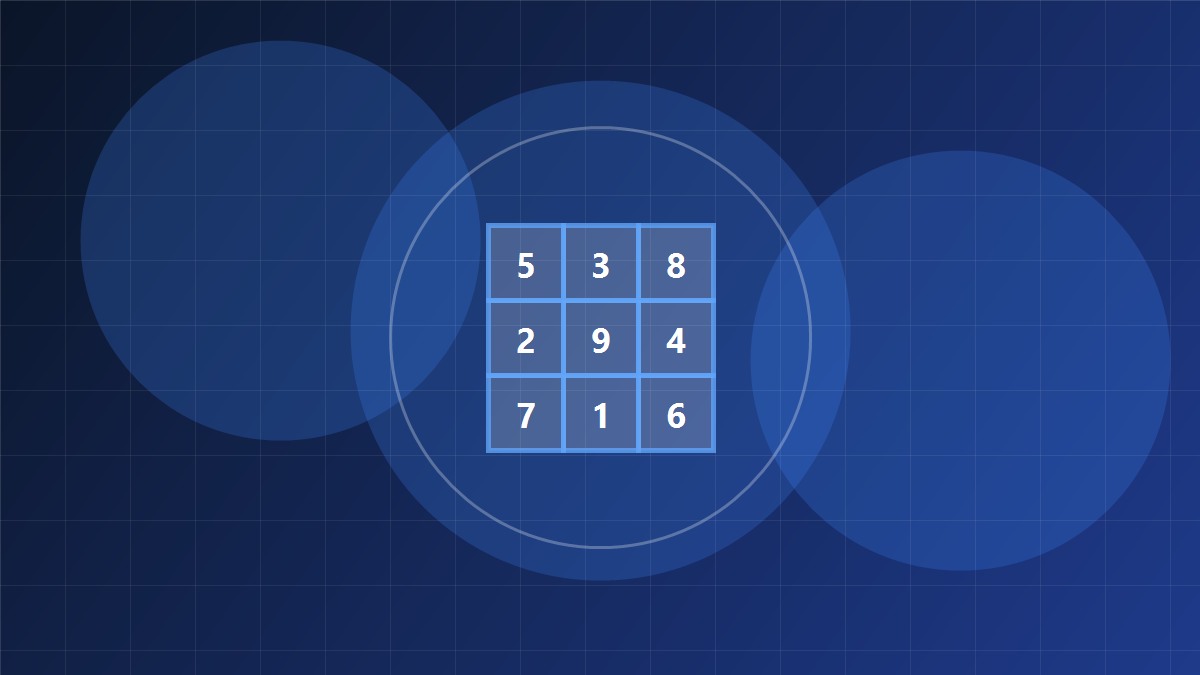
- Station 1: The Sudoku Relay (Combinatorics & Elimination): Teams work together on a large 6x6 or 9x9 Sudoku board. Each team member takes turns placing one deduced number and explaining their logic aloud: "This must be a 4 because the row and column already contain 1, 2, 3, 5, and 6."
- Station 2: The Tangram Architectural Lab (Spatial Geometry): Teams are presented with three geometric silhouette cards of increasing difficulty. They must manipulate wooden or cardstock tans to reproduce the silhouettes, calculating total surface area and identifying acute vs. obtuse angles.
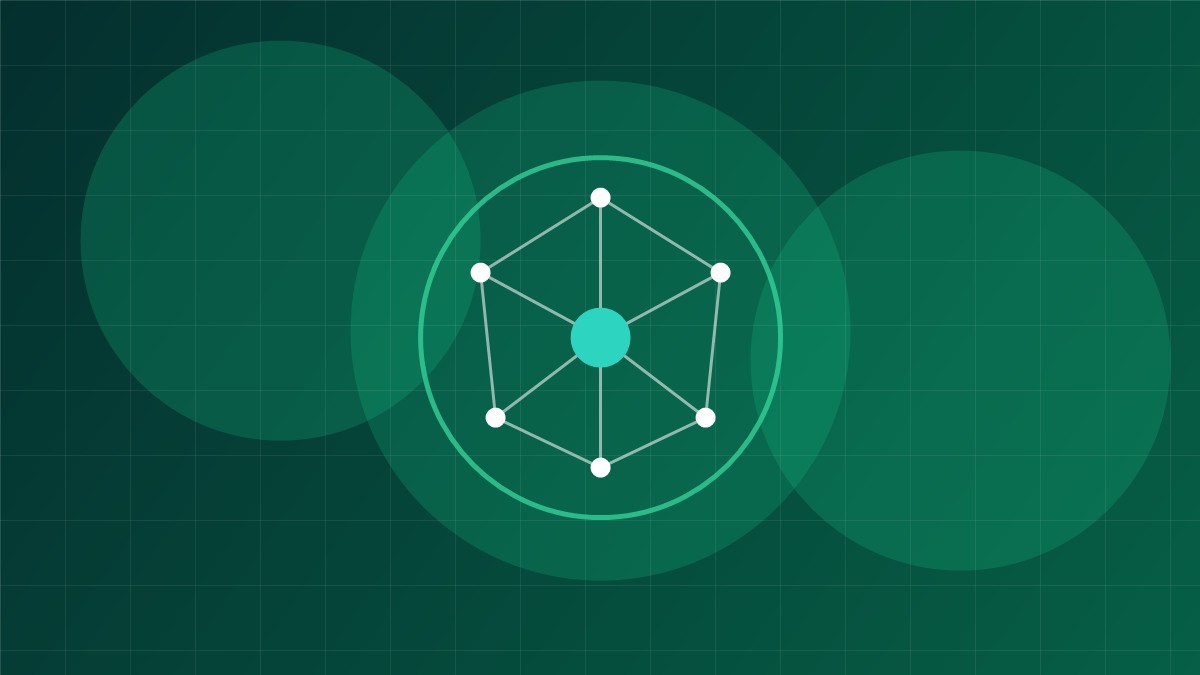
- Station 3: The Algorithmic Maze Dash (Graph Theory & Optimization): Students navigate intricate circular and hexagonal mazes where certain paths have numerical "fuel costs" or multiplication gates. The objective is not just finding any exit, but deducing the most mathematically efficient path.
- Station 4: The Secret Agent Cryptogram Desk (Number Theory & Pattern Decryption): Teams decode historical quotes or scientific facts encrypted with Caesar shift ciphers or emoji letter keys using letter frequency analysis charts.
"Mathematics is not a race against the clock; it is the art of deep, connected sense-making. A puzzle Olympiad celebrates the beauty of patient logic."
3. Step-by-Step Event Logistics and Timing
A successful Classroom Math Olympiad fits comfortably within a standard 60- to 75-minute class period:
- Minute 0-10: Welcome, team assignments (intentionally grouping mixed-ability peers), and distribution of the "Olympiad Passport" booklet.
- Minute 10-58: Four 12-minute station rotations with 2-minute transition periods with upbeat instrumental background music.
- Minute 58-70: Score tallying, group reflection, and badge award ceremony.
4. Inclusive Awards and Growth Mindset Badges
Rather than only awarding a 1st place trophy, ensure every student leaves with tangible recognition of their mathematical mindset. Print custom badges for:
- The Master Deductor Award: For the most articulate logical justification of a Sudoku placement.
- The Perseverance Trophy: For the team that navigated a challenging dead end with great optimism and grit.
- The Spatial Architect Badge: For the fastest and most elegant tangram construction.
Build your entire Math Olympiad printable packet effortlessly with PuzzleNest's Suite of Free Classroom Puzzle Generators!